
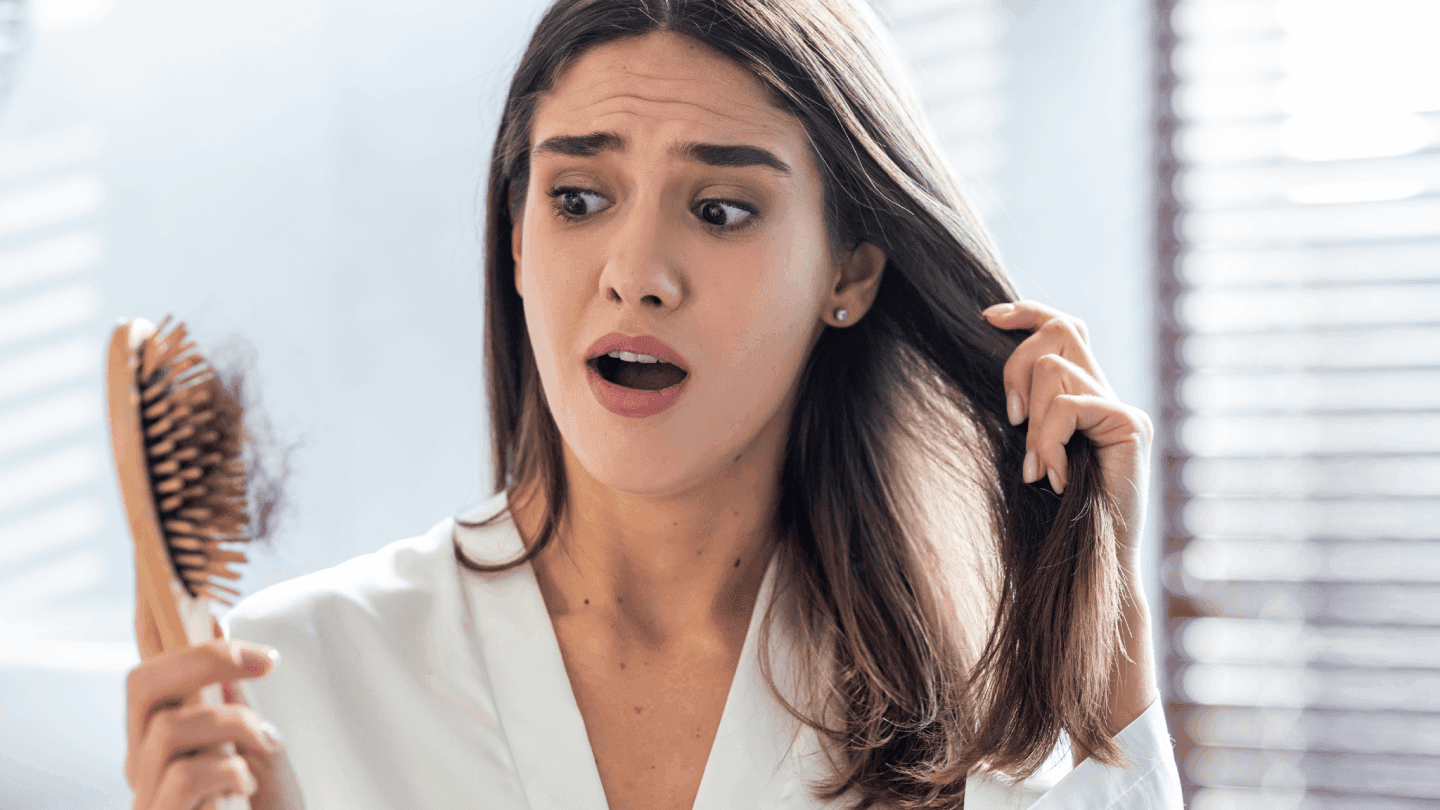
Postpartum hair loss is something many new mothers experience, yet it often comes as a surprise, especially when it happens during an already emotional and exhausting time. If you are noticing extra strands on your pillow, in the shower or on your hairbrush, you are not alone.
Knowing what is happening to your body and why these changes occur can make the experience feel a little less worrying. With the right care and gentle habits, your hair can regain its strength and fullness over time.
What is postpartum hair loss?
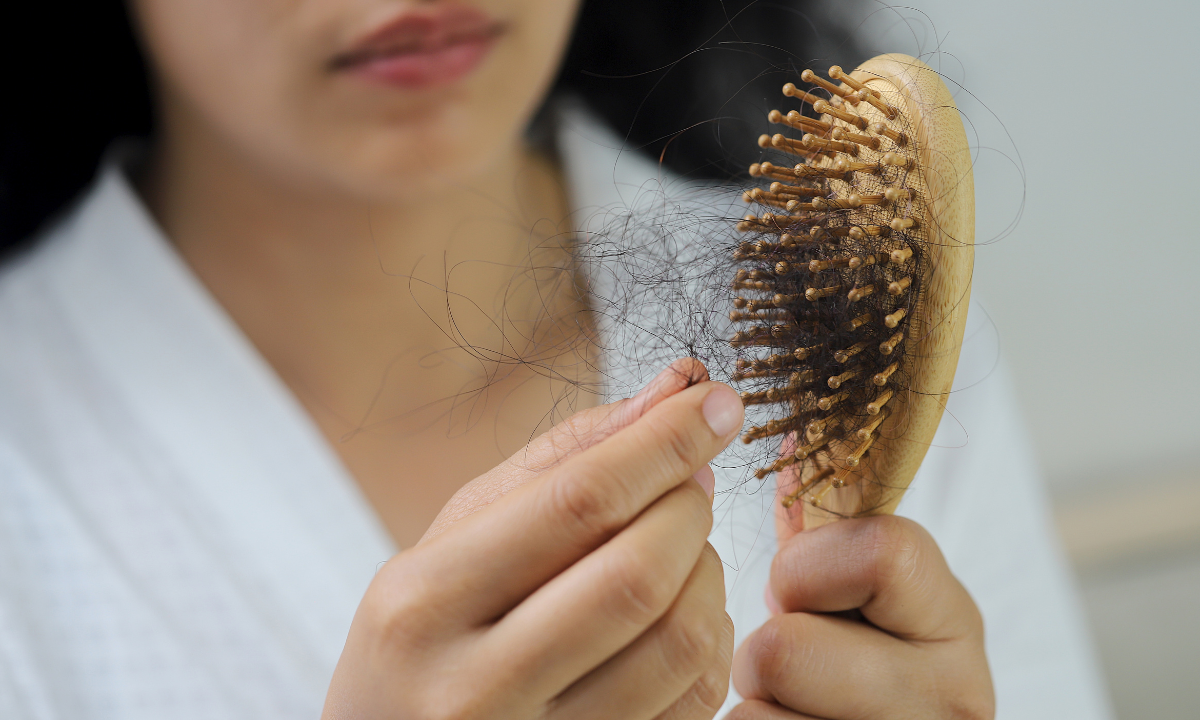
Postpartum hair loss is the increased shedding that occurs after giving birth. It is a form of telogen effluvium, a temporary shift in the hair cycle that causes more strands than usual to enter the resting and shedding stage.
Although it can look dramatic, postpartum hair loss is not a sign of permanent baldness, illness or poor hair health. It is simply your body resetting after pregnancy.
Why hair loss after pregnancy happens?
During pregnancy, high levels of oestrogen keep many hairs in the growth phase for longer. This often makes the hair look thicker and more voluminous. After delivery, oestrogen levels fall back to their pre-pregnancy range. As these levels drop, a larger number of hairs move into the shedding phase at the same time.
This hormonal shift is the most common and natural cause of postpartum hair loss.
The hair growth cycle after birth
Each hair strand follows a cycle:
Anagen (growth phase):
Hair actively grows and stays firmly attached to the follicle.
Catagen (transition phase):
Growth slows, and the follicle begins to shrink in preparation for resting.
Telogen (resting and shedding phase):
The old hair rests, then naturally sheds to make space for new growth.
After birth, many hairs transition from anagen to telogen together. This “synchronised shedding” leads to the noticeable hair fall that many mothers experience.
The good news is that the hair cycle eventually rebalances, and new growth continues as usual.
When postpartum hair loss starts
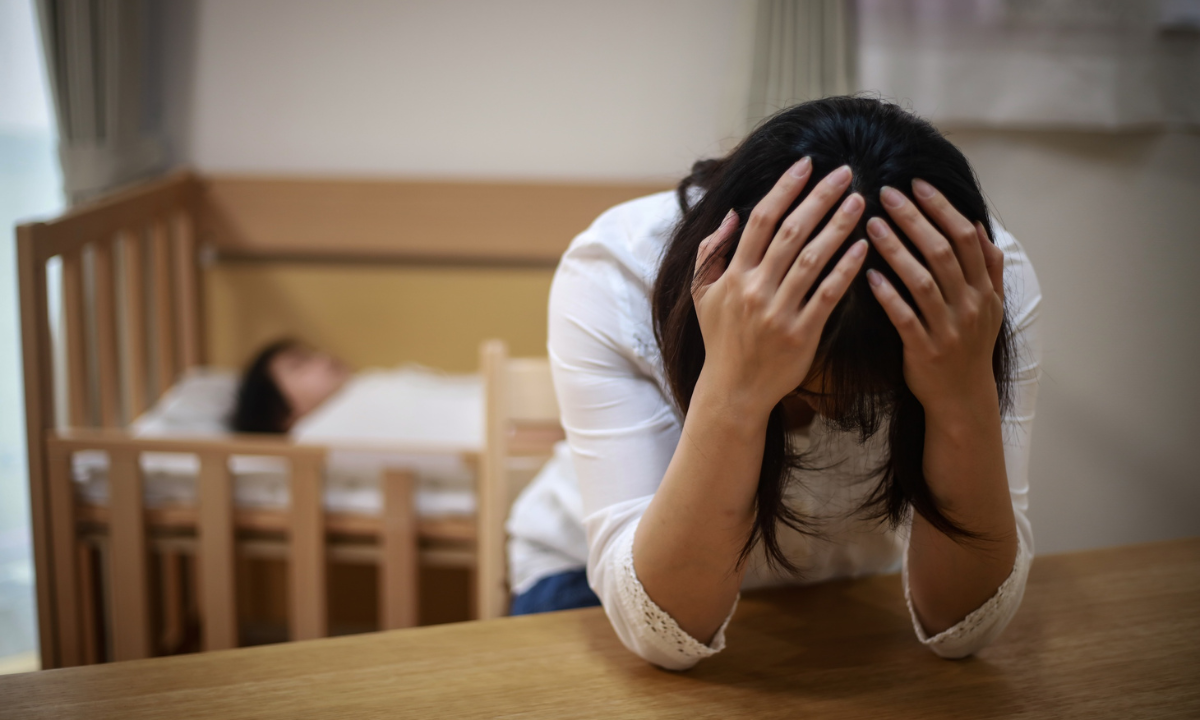
Most women begin to notice postpartum shedding two to four months after childbirth. For some, it may start slightly earlier or later, depending on:
Sleep quality
Stress levels
Breastfeeding
Overall health and nutrition
This timing is completely normal and expected as the hair cycle resets. Postpartum hair loss typically lasts six to twelve months, with gradual improvement over time.
If shedding continues beyond one year, or if hair loss appears unusually severe, it may be helpful to discuss this with your doctor to rule out other conditions.
If postpartum hair shedding is causing concern, you can schedule a consultation with Thomson Medical. Our doctor can help assess your hair changes and guide you on what’s normal and what supportive care might help.
Common symptoms of postpartum hair loss
Excess shedding
You may notice more loose strands than usual on your pillow, in the shower, or when brushing your hair. After childbirth, falling oestrogen levels push more hairs into the shedding (telogen) phase.
You may notice:
Hair coming out in small clumps during washing
More strands collecting in your drain or around the house
A general feeling that your hair sheds “all at once”
Thinning around the temples
The hairline and temples are areas where postpartum thinning is often most visible. These areas are naturally more delicate, so hormonal shifts affect them more strongly.
Some common signs include:
The “edges” looking sparser
A more pronounced receding-like appearance (temporary)
Difficulty styling hair the same way as before
Widening part line
With more hair entering the shedding phase at the same time, the scalp becomes more visible. Your parting may look broader or more noticeable, especially if you already had a fine part line before pregnancy.
You may notice:
A clearer view of the scalp under bright light
The part line appearing uneven or patchy on some days
Hair feeling less dense when you run your fingers through it
Our dermatologist
Loading...
How to manage postpartum hair loss?
While postpartum shedding cannot be completely stopped because it is a normal response to hormonal changes after childbirth, adopting gentle habits can protect your hair and support healthier, fuller regrowth over time.
Gentle hair-care routine
Adopting a softer, more mindful routine can help minimise additional stress on already fragile postpartum hair.
Use mild, sulphate-free shampoos and hydrating conditioners:
These help cleanse without stripping natural oils, keeping your scalp balanced and your strands moisturised.
Avoid tight hairstyles that pull on the scalp:
If you usually wear tight ponytails or buns, switching to looser styles can relieve tension and protect your hairline.
Detangle gently using a wide-tooth comb:
Start from the ends and work your way up to avoid unnecessary tugging and breakage.
Reduce heat styling wherever possible:
Air-drying or using low heat helps keep your fragile strands from becoming weaker.
Pat hair dry instead of rubbing it vigorously:
Rubbing can roughen the cuticle and lead to frizz or breakage. Patting or wrapping hair in a soft towel is much kinder.
These habits help your hair stay as strong as possible while shedding gradually returns to normal.
Scalp care and massage
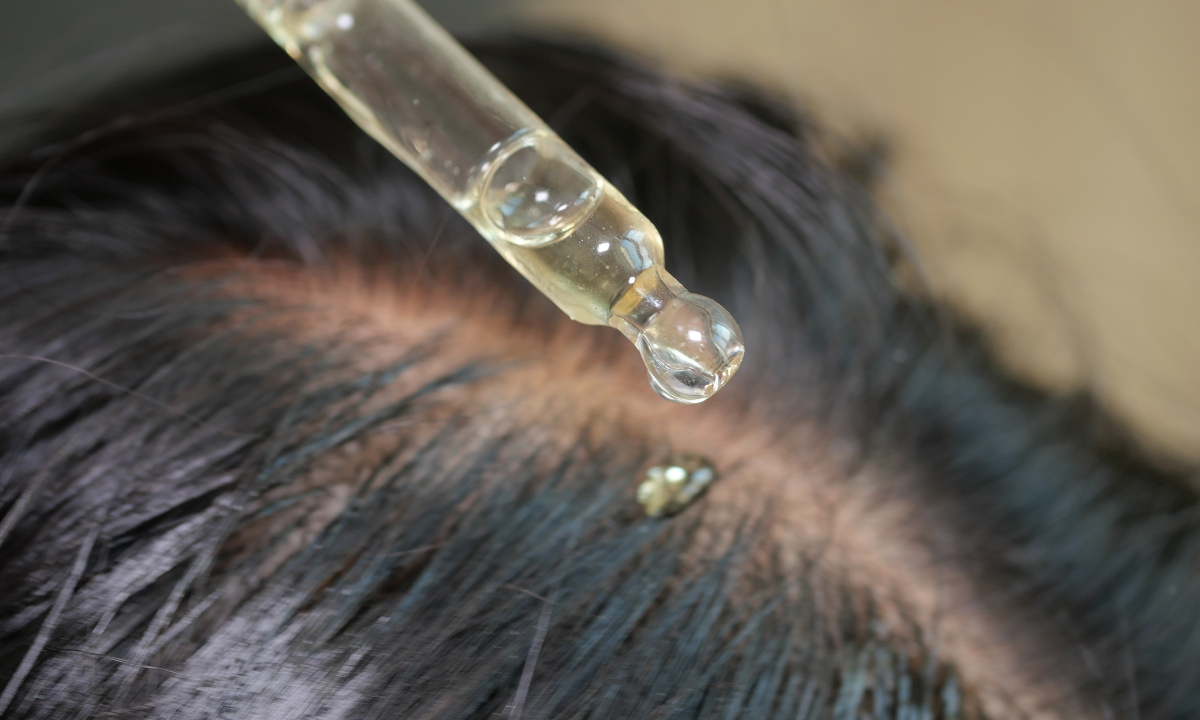
Your scalp is the foundation for healthy hair growth. Keeping it calm, clean, and well-stimulated can support regrowth during this phase.
You can try:
Light scalp massages:
Just 3–5 minutes using your fingertips can boost blood flow and ease tension.
Keeping your scalp clean:
Regular washing helps prevent buildup, sweat, and irritation, allowing follicles to function well.
Using lightweight oils if they suit your scalp:
A few drops of argan, jojoba, or rosehip oil can soothe dryness without making your scalp greasy.
Many new mothers find that gentle scalp massage is not only helpful for hair but also relaxing during a busy postpartum period.
Nutrition and supplements (if approved by your doctor)
Your body is working hard after childbirth, especially if you’re breastfeeding. Eating well helps support both your overall health and your hair’s natural regrowth cycle.se on your scalp. Some treatments are safe to try, while others should be avoided.
Nutrients that support healthy hair include:
Protein:
Helps build strong, healthy strands
Iron:
Keeps follicles well-oxygenated
Zinc:
Supports repair and hair strength
Omega-3 fatty acids:
Nourish the scalp
Vitamins A, C, D, and E:
Support growth and protect hair cells
If you’re unsure whether your nutrition is supporting healthy hair recovery, you can schedule a consultation with Thomson Medical. A doctor can guide you on what’s safe and truly beneficial after childbirth.
Safe treatments for breastfeeding mothers
If you’re breastfeeding, you’ll want to be extra careful about what you use on your scalp. Some treatments are safe to try, while others should be avoided.
Safer options include:
Gentle postpartum hair serums:
These usually contain mild, plant-based or peptide ingredients to improve hair’s texture and softness.
Strengthening, non-medicated products:
Keratin-based conditioners, leave-in treatments, and bond-repair products can help your hair feel fuller and less fragile.
Doctor-approved nutritional support:
If a blood test reveals low levels of iron or vitamins, your doctor can recommend supplements to help improve hair regrowth naturally.
Always check with your healthcare provider before using any medicated scalp treatment or topical hair-loss product, even if it’s over the counter.
When postpartum hair loss may signal another issue
Although postpartum shedding is normal, certain symptoms may suggest another underlying concern.
Thyroid conditions
Postpartum thyroiditis can cause either an overactive or underactive thyroid. Both may lead to:
Excessive hair loss
Mood changes
Weight fluctuations
A thyroid check may be recommended if these symptoms appear alongside shedding.
Nutrient deficiencies
Low levels of iron, vitamin D, folate, or B12 can make postpartum hair loss last longer than usual. This is fairly common after pregnancy, especially if you experienced heavy bleeding during childbirth.
A quick blood test can show whether your body needs a boost in any of these nutrients, and your doctor can guide you on the right supplements if needed.
Prolonged or severe shedding
It’s also worth paying attention to how long your shedding lasts. Postpartum hair loss usually settles within a year, but when it carries on much longer or starts to look patchy, it may point to something else, such as chronic telogen effluvium or genetic hair thinning.
If you're concerned that your symptoms may be more than normal postpartum shedding, you can schedule a consultation with Thomson Medical. Our doctor can help identify the cause and guide you toward the right care.
When to contact your doctor
Seek medical advice if you notice:
Shedding lasting longer than twelve months
Rapid or patchy hair thinning
Additional symptoms such as fatigue, anxiety, weight changes or menstrual irregularities
Signs suggesting thyroid or nutritional deficiencies
Hair loss that is affecting your confidence or mental wellbeing
Early evaluation can help identify underlying issues and guide you toward safe, effective treatment options.
FAQ
Is postpartum hair loss permanent?
No. Postpartum hair loss is temporary. Most women regain their usual hair thickness within six to twelve months as the hair cycle normalises.
Can breastfeeding make postpartum hair loss worse?
Breastfeeding itself does not cause hair loss, but the hormonal environment that supports milk production may delay your return to a normal hair-growth cycle. This may make shedding last a little longer for some mothers.
Should I take supplements for hair regrowth?
Only take supplements if recommended by your doctor. If you have deficiencies in iron, vitamin D, or B12, appropriate supplementation can help. Taking unnecessary supplements will not speed up regrowth.
What hairstyles help reduce shedding?
Gentle styles that reduce tension on the scalp are ideal:
Loose ponytails
Soft braids
Low buns
Claw-clip styles
Avoid tight hairstyles, heavy extensions or anything that pulls on the hairline.
Can stress increase postpartum hair loss?
Yes. Emotional or physical stress can push more hairs into the shedding stage. Fatigue, sleep deprivation and adjusting to life with a newborn can contribute. Prioritising rest and support can help your recovery.
How soon will my hair return to normal?
Many women notice improvement by six months, with more substantial recovery by the end of the first year. Full restoration varies from person to person.
Are hair regrowth products safe after childbirth?
Some non-medicated products are safe, but medicated treatments may not be suitable during breastfeeding. Always check with your doctor before using hair-growth treatments during the postpartum period.
The information provided is intended for general guidance only and should not be considered medical advice. For personalised recommendations and tailored advice based on your unique situations, please consult a specialist at Thomson Medical. Request an appointment with Thomson Medical today.
Dr Tan Hiok Hee
Dermatology (Skin)
Thomson Specialist Skin Centre (Novena Specialist Center)
English, Mandarin
.png%3Fbranch%3Dprod&w=640&q=75)